We often treat chronic pain as a local problem. The neck hurts, so we treat the neck. The back hurts, so we focus on the back.
But sometimes pain isn’t coming from the area that hurts.
I worked with a patient recently who made that very clear.
Before her car accident in 2012, she did not have neck pain. She had normal tension, you know, the kind most people live with, but nothing she would have described as pain. After the accident though, she had severe and constant pain that never let up.
For more than thirteen years, nothing truly helped. Anti-inflammatory medications didn’t work. Advil didn’t touch it. Many treatment approaches didn’t just fail to help. She’d done laser, massage, chiropractic, dry needling, cranio sacral therapy, everything she tried only made her pain worse. The only thing that ever reduced the pain was opioid medication like Percocet, which at times led to her being viewed as drug-seeking.
But that interpretation missed what was actually happening. It was the only thing that helped.
When Pain Isn’t a Local Injury Problem
During our initial consultation, she shared a history of long-term abuse and trauma. Long before the accident, her nervous system had learned to stay guarded and alert.
Listening to her story, it was clear this wasn’t just a neck issue.
Pain doesn’t exist separately from the nervous system. When someone has lived in survival mode for years, the nervous system adapts and sometimes it doesn’t automatically return to baseline after an injury.
Because of that, I took a very gentle approach initially. I avoided doing acupuncture anywhere near her neck. I kept the input minimal. The goal was to support the system, not provoke it.
Instead, her pain flared. I’m only in my Appleton office on Mondays so she was miserable the entire week. She’d gone to bed crying a few nights, and that’s hard to hear.
That response told me we weren’t dealing with a localized pain problem anymore. We were dealing with a nervous system that was over-reactive and stuck in protection. I commend her for continuing treatment, so we completely changed the game plan. We weren’t going to treat the pain directly.
Central Sensitization and Nociplastic Pain
In modern pain science, this pattern is called central sensitization, and it is now often classified as nociplastic pain.
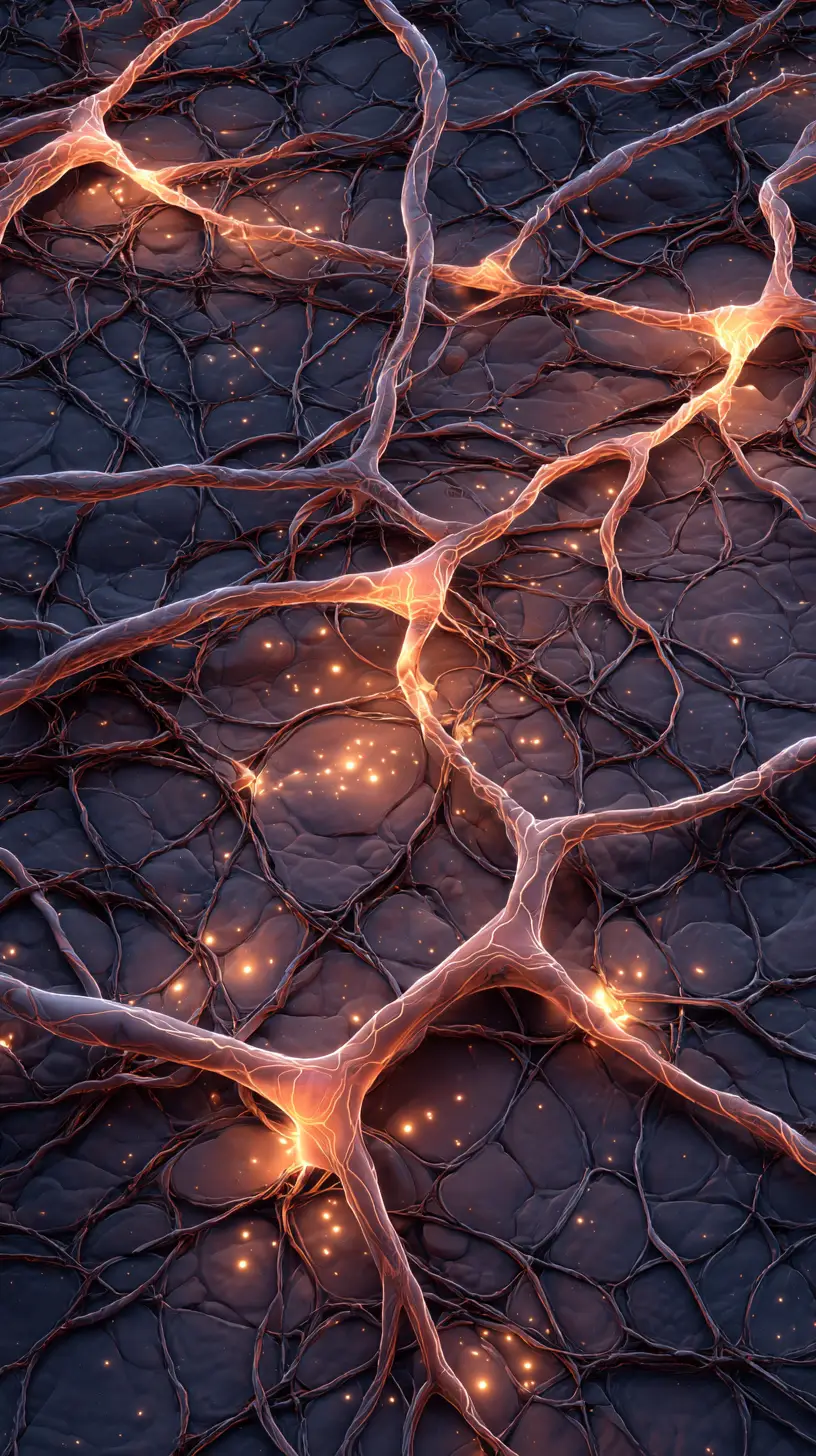
Nociplastic pain refers to pain that isn’t driven by ongoing tissue damage or nerve injury, but by changes in how the brain and nervous system process pain signals. The nervous system amplifies pain. The alarm stays on, even after the original injury has healed.
In her case, the accident acted as the trigger, but the nervous system never reset.
This helps explain why anti-inflammatories didn’t help, why local treatments often made things worse, and why medications that dampen the nervous system were the only things that ever reduced her pain, even temporarily.
The pain was real. It always was.
How Chinese Medicine Understands This Pattern
Chinese medicine has described this type of pain pattern for thousands of years, using different language.
When we talk about Qi, we’re referring to the body’s ability to regulate, adapt, and respond, the system that keeps things flexible and balanced.
When we talk about the Shen, we’re referring to the part of the nervous system that allows the body and mind to feel settled and safe.
Long-term trauma disrupts both.
The system loses its ability to regulate smoothly. The body stays guarded. Muscles don’t fully relax. Pain signals don’t quiet. Over time, even gentle input can feel overwhelming.
From this perspective, the accident didn’t create the imbalance, it exposed and intensified a system that was already under strain.
Modern medicine calls this central sensitization or nociplastic pain.
Chinese medicine describes it as a loss of regulation.
Different language. Same understanding.
Treating the Nervous System, Not Just the Neck
Once it was clear that this was a nervous system–driven pain pattern, the treatment focus shifted.
We did a treatment that I’ve often used on veterans for PTSD.
FSM was used to modulate central pain processing, focusing on how pain and threat signals were being amplified rather than where the pain was felt.
We also added a Chinese herbal formula chosen to support nervous system regulation and trauma recovery, not inflammation or muscle tension alone.
At that point, we were no longer treating her neck.
We were treating the nervous system and pain perception.
Her muscles relaxed, without direct work to the neck. Her body softened. She fell asleep.
When she woke up, she had no pain and could move her head.
Where We Are Now
I saw her yesterday. During our last session, two weeks ago, I started her on a Chinese herbal formula for stress. I advised her that it wasn’t for pain, but allowing her body to relax, we’d have an easier time addressing pain. When she came in for her appointment yesterday, much to my surprise, she said she was feeling amazing. Whenever she starts feeling any pain, she takes her herbal formula, and the pain goes away. She’s sleeping better, pain is minimal. Truly amazing. We are continuing to work with acupuncture and FSM for PTSD and nervous system regulation. This is not about chasing symptoms. It’s about helping the nervous system relearn safety.
This truly made my day. I was so honored to have been able to help, because she’s suffered for a long time.
Long-standing patterns take time.
For the first time in years, her body showed her that pain is not fixed, and that change is possible. How cool is that? I was doing a happy dance when I saw her yesterday. She looked lighter, happier and just at peace.
The Takeaway
If you had no pain before an injury
If treatments have made things worse instead of better
If anti-inflammatories don’t help
If your history includes trauma or long-term stress
Your pain may not be coming from the site that hurts.
It may be coming from a nervous system that has been on high alert for too long.
And when that system is addressed directly, the body often responds.
If this sounds familiar, and you’ve been told your pain “doesn’t make sense” or that nothing else can help, a nervous-system-focused approach may be worth exploring.
I offer acupuncture, Frequency-Specific Microcurrent (FSM), and Chinese herbal medicine and deal a lot with chronic pain, trauma-related pain, and nervous system regulation.
Schedule a consultation or reach out and let’s see what we can do for you.